

Home Dialysis Service Pakistan
Managing kidney failure requires regular treatment, careful planning, and ongoing medical support. For many patients, traveling repeatedly to a dialysis center can become difficult. Distance, transportation, family responsibilities, and treatment schedules may affect everyday life. Home Dialysis Service offers information about home-based treatment possibilities for patients who may be medically suitable for this approach. Home dialysis can provide a familiar treatment environment while allowing patients to organize their routines more effectively. However, every treatment decision should be made with guidance from a qualified nephrologist and an experienced healthcare team.
Understanding Kidney Dialysis
Dialysis helps remove waste products and excess fluid when the kidneys cannot perform these functions adequately. It can become an essential part of care for people with advanced kidney failure. Treatment requirements vary between patients, depending on their health condition and medical needs.
There are different forms of dialysis available today. Hemodialysis filters blood through specialized equipment, while peritoneal dialysis uses the abdominal lining as part of the filtering process. Healthcare professionals determine the most appropriate option after evaluating each patient’s circumstances.
Home Hemodialysis Care
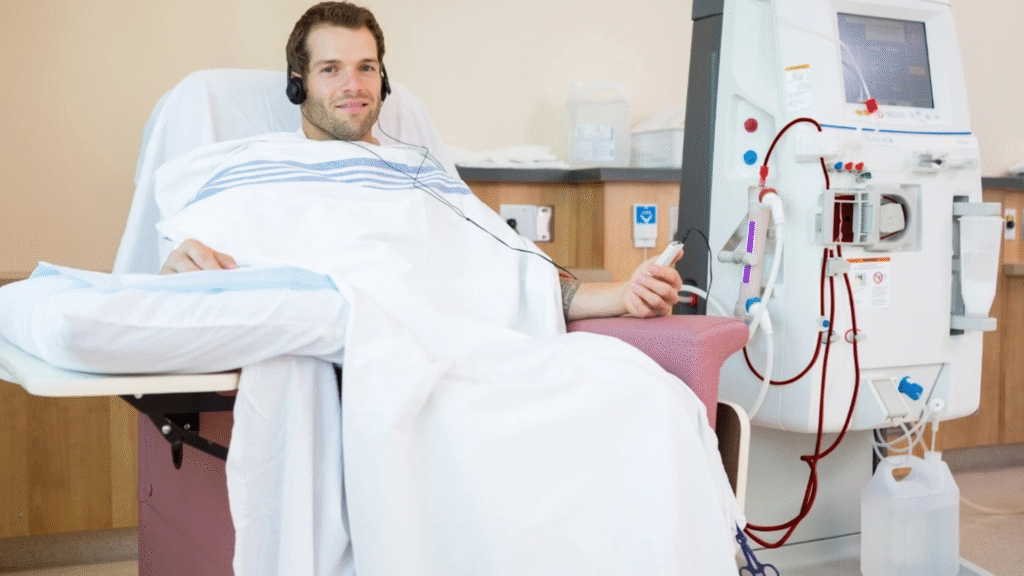
Home hemodialysis allows selected patients to receive prescribed treatment outside a traditional dialysis center. The process requires suitable equipment, appropriate vascular access, proper training, and continuous medical supervision.
Patients may learn how to prepare their equipment and follow required treatment procedures. They can also receive education about cleanliness, blood pressure monitoring, access care, and recognizing potential problems.
Treatment schedules vary according to individual prescriptions. Some patients may have more frequent sessions, while others follow different arrangements recommended by their healthcare providers.
Peritoneal Dialysis at Home
Peritoneal dialysis provides another option for certain kidney patients. This method uses dialysis fluid that enters the abdomen through a specialized catheter. The fluid collects waste and excess fluid before being drained from the body.
Some patients perform exchanges manually during the day. Others may use automated equipment during nighttime hours. The selected method depends on medical requirements, lifestyle considerations, and professional recommendations.
Clean technique is extremely important during peritoneal dialysis. Patients must carefully follow instructions for catheter handling and infection prevention.
Creating a Suitable Treatment Environment
Preparing the home properly can make treatment more organized and manageable. Patients may require enough space for dialysis equipment, supplies, and treatment-related activities.
Supplies should be stored in a clean and suitable location. The treatment area should also allow patients to work comfortably while following necessary safety procedures.
Depending on the equipment, electricity, water, storage, and waste-management arrangements may require consideration. Healthcare professionals can explain the specific requirements before treatment begins.
Good preparation helps patients and caregivers understand their responsibilities before regular home treatment starts.
Importance of Vascular Access
Vascular access is an important consideration for people receiving hemodialysis. An arteriovenous fistula is one commonly used access method. Some patients may instead require a graft or dialysis catheter.
Taking care of the access site is essential for ongoing treatment. Patients should follow the instructions provided by their medical team and observe the area regularly.
Changes such as unusual swelling, redness, pain, bleeding, or other concerns should be reported to healthcare professionals. Proper access care can support effective treatment and reduce avoidable complications.


Location

Related Ads